Back in 2021, when Arcane first dropped on Netflix, I remember thinking: there is no way an animated League of Legends show should work this well. Yet here I am in 2026, after Season 2 has come and gone, still talking about it. The story of Vi and Jinx did not just survive the hype. It became the benchmark. The show stayed in Netflix's top charts, the second season was confirmed and then delivered, and Jinx even showed up as a costume in Fortnite. That is basically the major league for any original character. So why did Arcane do so well as an animated adaptation? Let me walk through the big things it does differently.
The Release Schedule Was a Secret Weapon 🎬
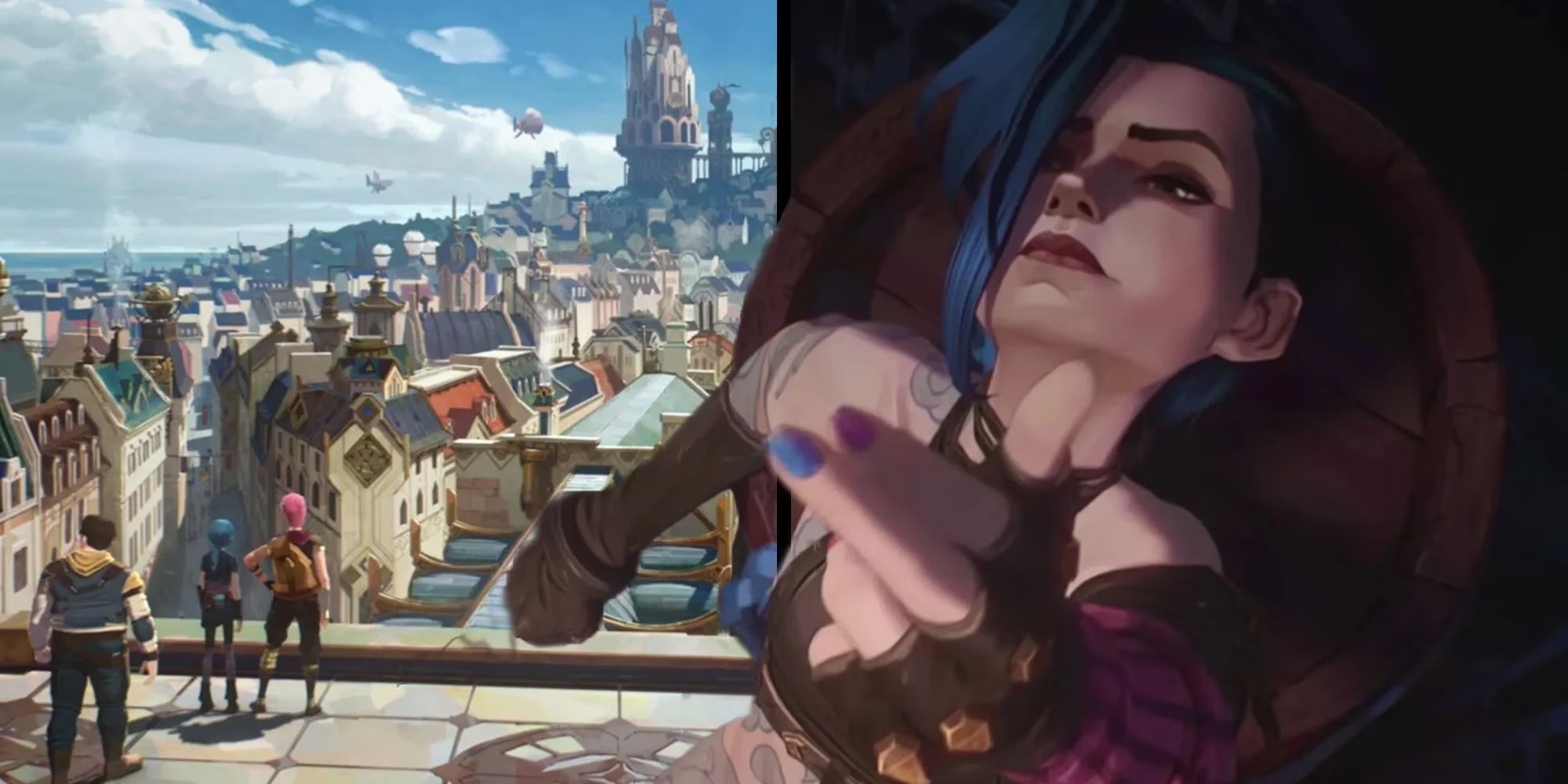
I love a good binge as much as anyone. But Arcane did not dump the whole season at once. It used a staggered, three-cour release schedule. That kept people talking about each act and each finale the same way they talked about Game of Thrones, Breaking Bad, or The Walking Dead. In 2026, with streaming services fighting for attention, that weekly conversation is gold. It gave fan theories room to breathe. It made every cliffhanger feel like an event.
A Painterly Look That Says Not Anime, Not Kids ✨
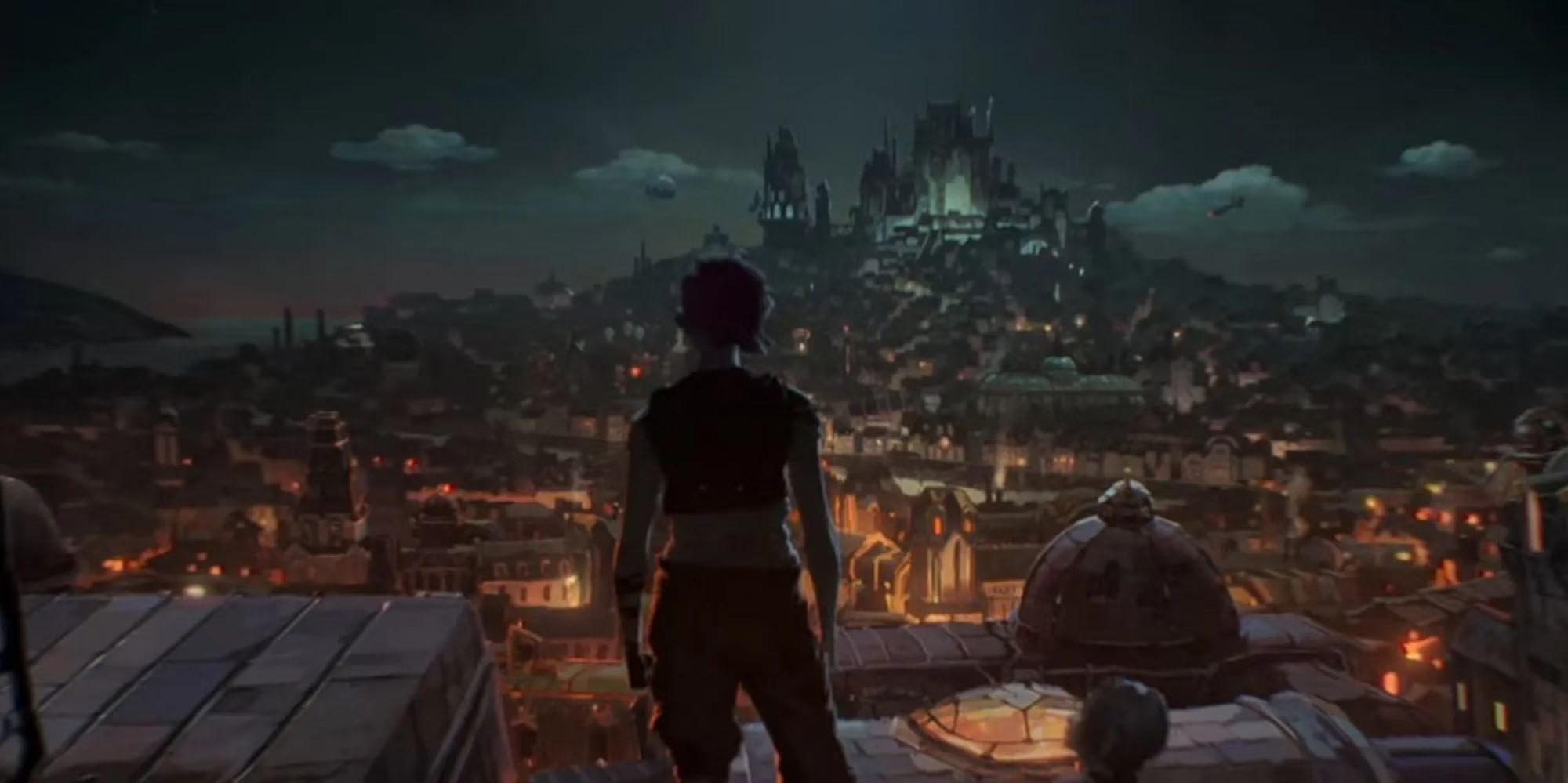
At a glance, Arcane is obviously not an anime. It is also obviously not a kid's show. The painterly, detailed style from French studio Fortiche is beautiful, but it also sends a message: this is something different. Riot has always been good at making its champions fit any art style. You can see that in their shorts, their music videos, and their spin-off games. But Arcane took that skill to a new level. The visuals are not just pretty. They are storytelling.
3D Characters, 2D Effects, and Camera Magic 📸
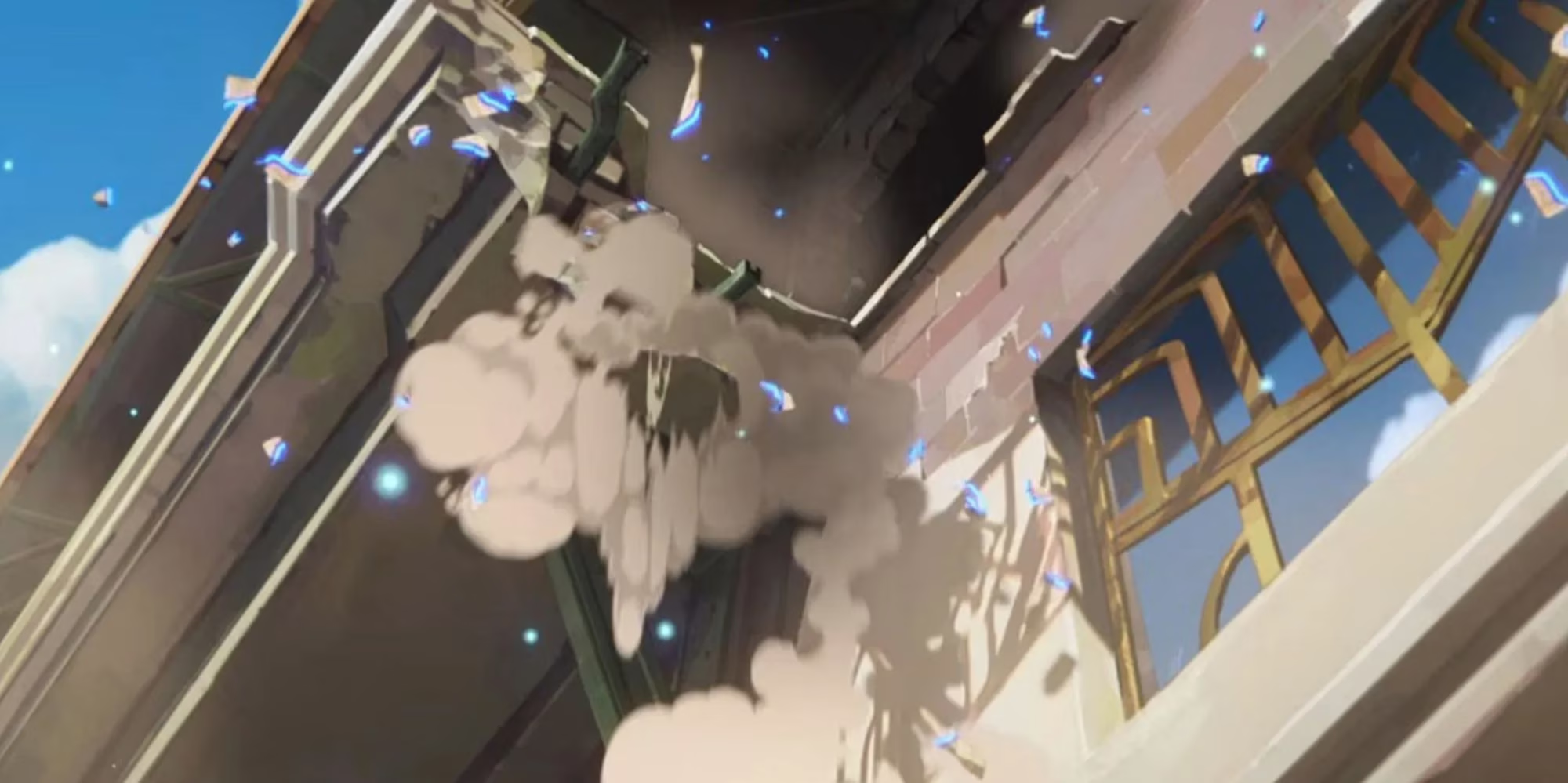
Here is where Arcane gets really clever. The characters and backgrounds look consistent, but when action happens, the VFX often shifts into 2D. A Hex Crystal explosion, a building fire, a burst of magic—those effects are primarily 2D. The contrast between 3D characters and 2D effects takes a minute to get used to. Once you adjust, it becomes unforgettable.
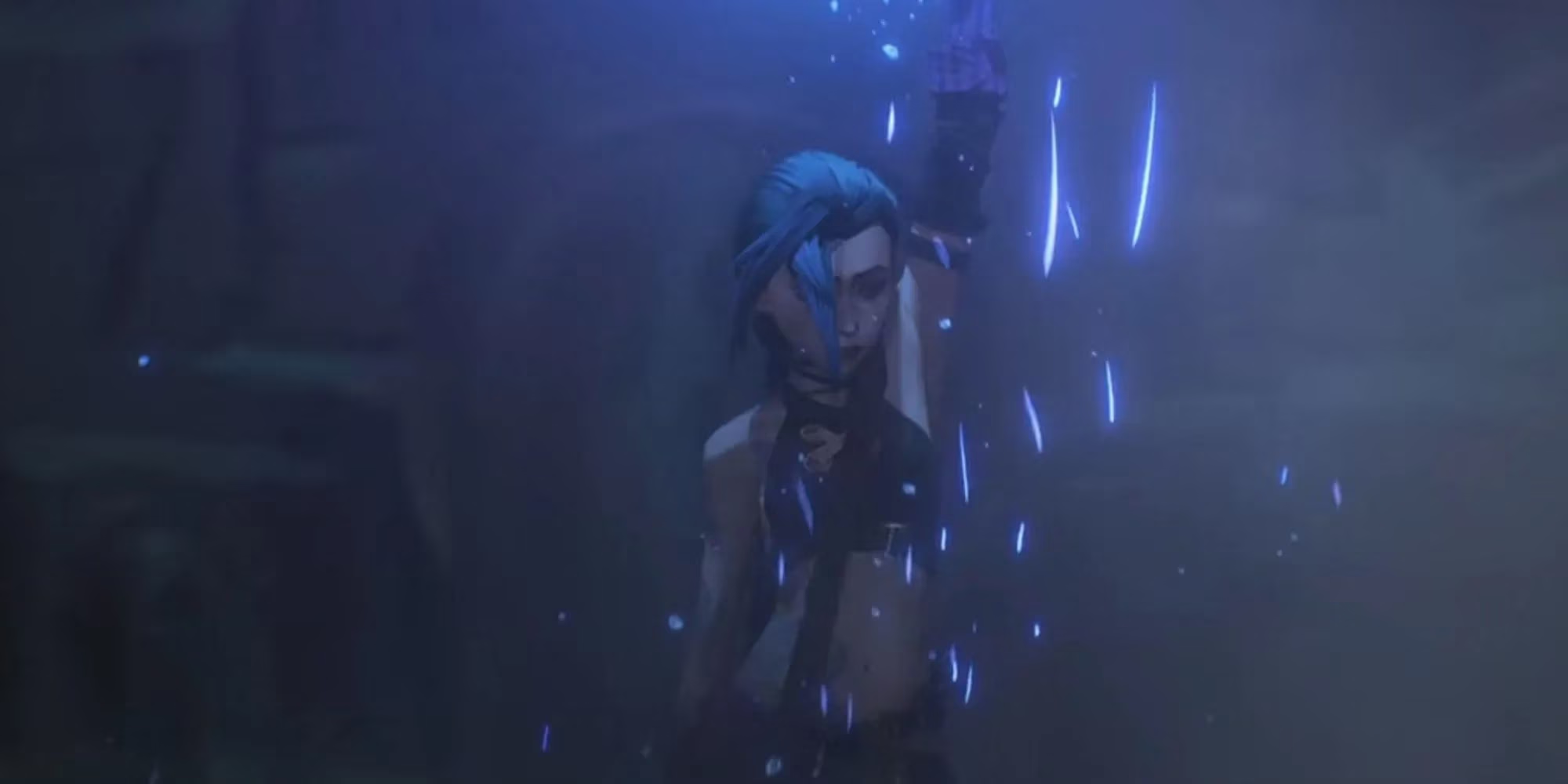
The camera work is another advantage. A 2D anime can emulate lens blur or parallax, but it is still an emulation. A 3D show can actually film scenes inside the software. That is how Arcane spins around Jinx like a steady cam while she holds up a flare. It is how motion blur and distance blur feel natural. It is a small thing that makes a huge difference.
Easter Eggs for League Players 🥚
Almost anything Marvel or DC does this, but Arcane sprinkles in references like a chef with a heavy hand. Riot knows a large part of the audience has played League of Legends. Even if they have not, they know a few champions or major concepts. So the show can pack in nods without stopping to explain everything. I remember pausing to spot a Teemo picture book in Silco's hideout. That kind of detail rewards longtime players and gives new viewers a reason to go down the lore rabbit hole.
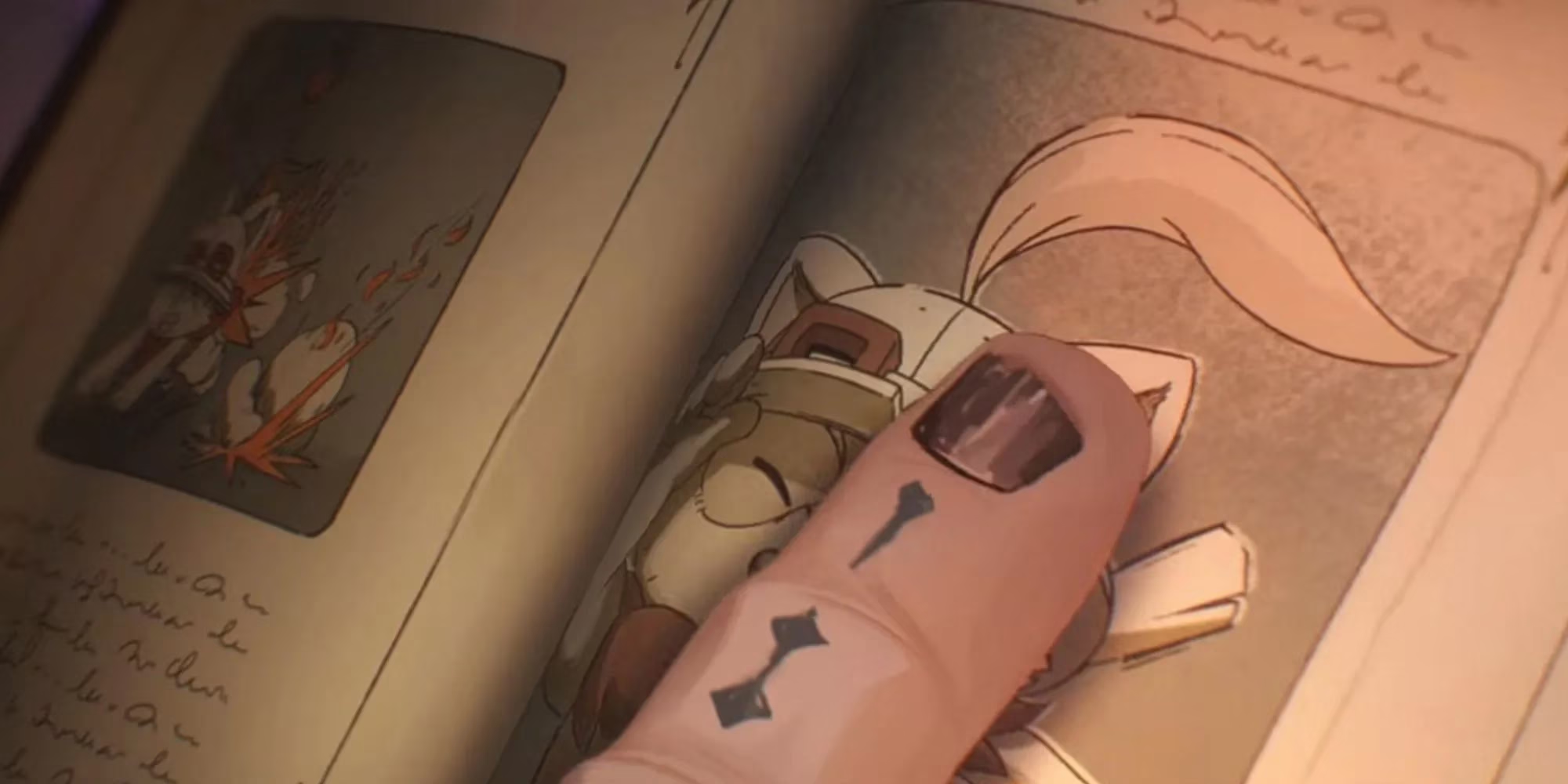
Lore Twists and the Fortnite Factor 🎮
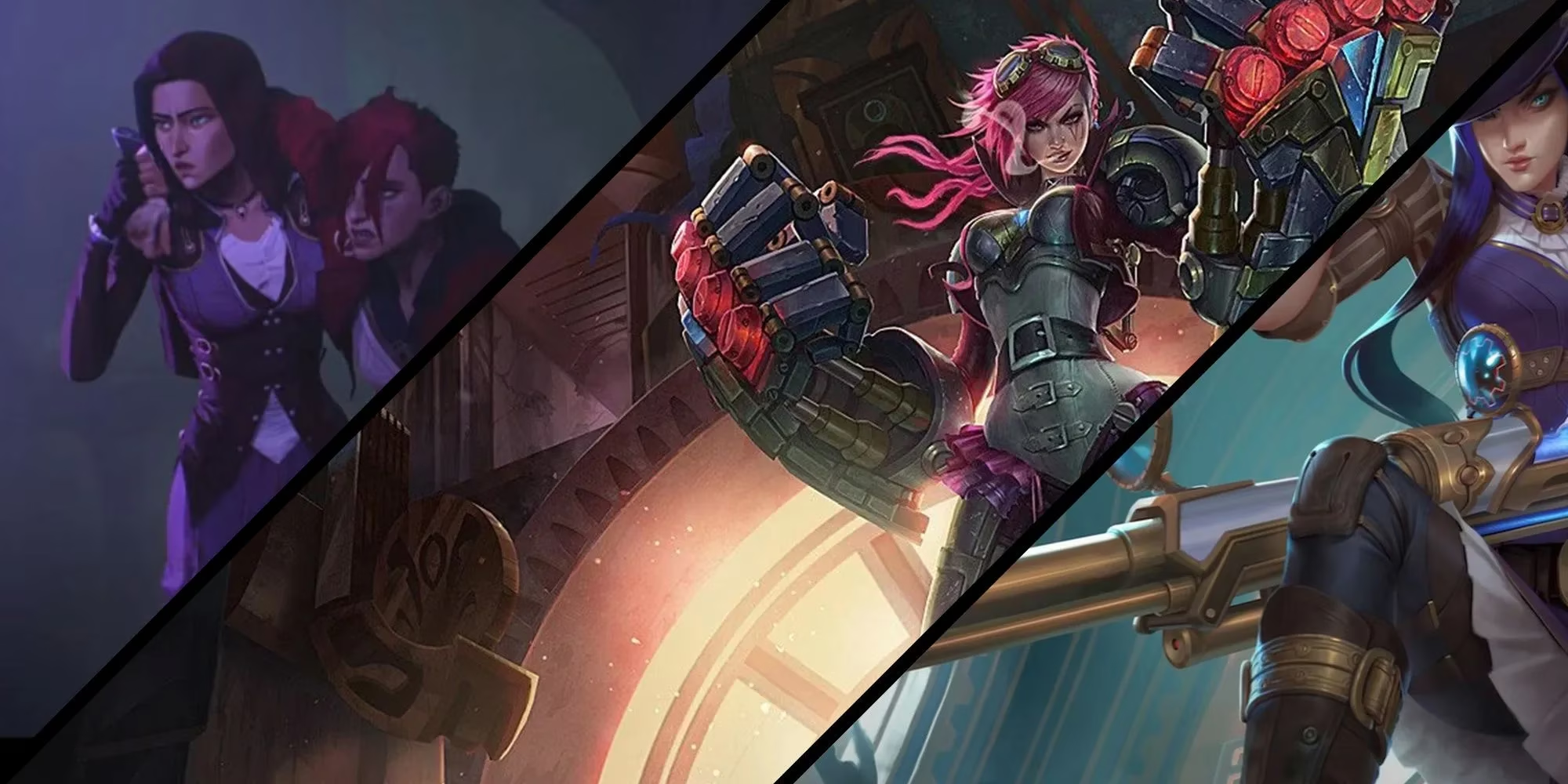
Because Arcane is built on established League lore, veterans already know where some stories end up. We know about Vi and Caitlyn's partnership. We know Viktor's big change. We know Singed and Warwick are connected. But Riot uses that knowledge against us in a good way. The show deviates from canonical lore, and those mix-ups make the next episode more exciting. In 2026, after Season 2, those twists feel even more important. Jinx appearing in Fortnite proves how huge these characters have become.
Music That Hits Like a High-Quality AMV 🎵
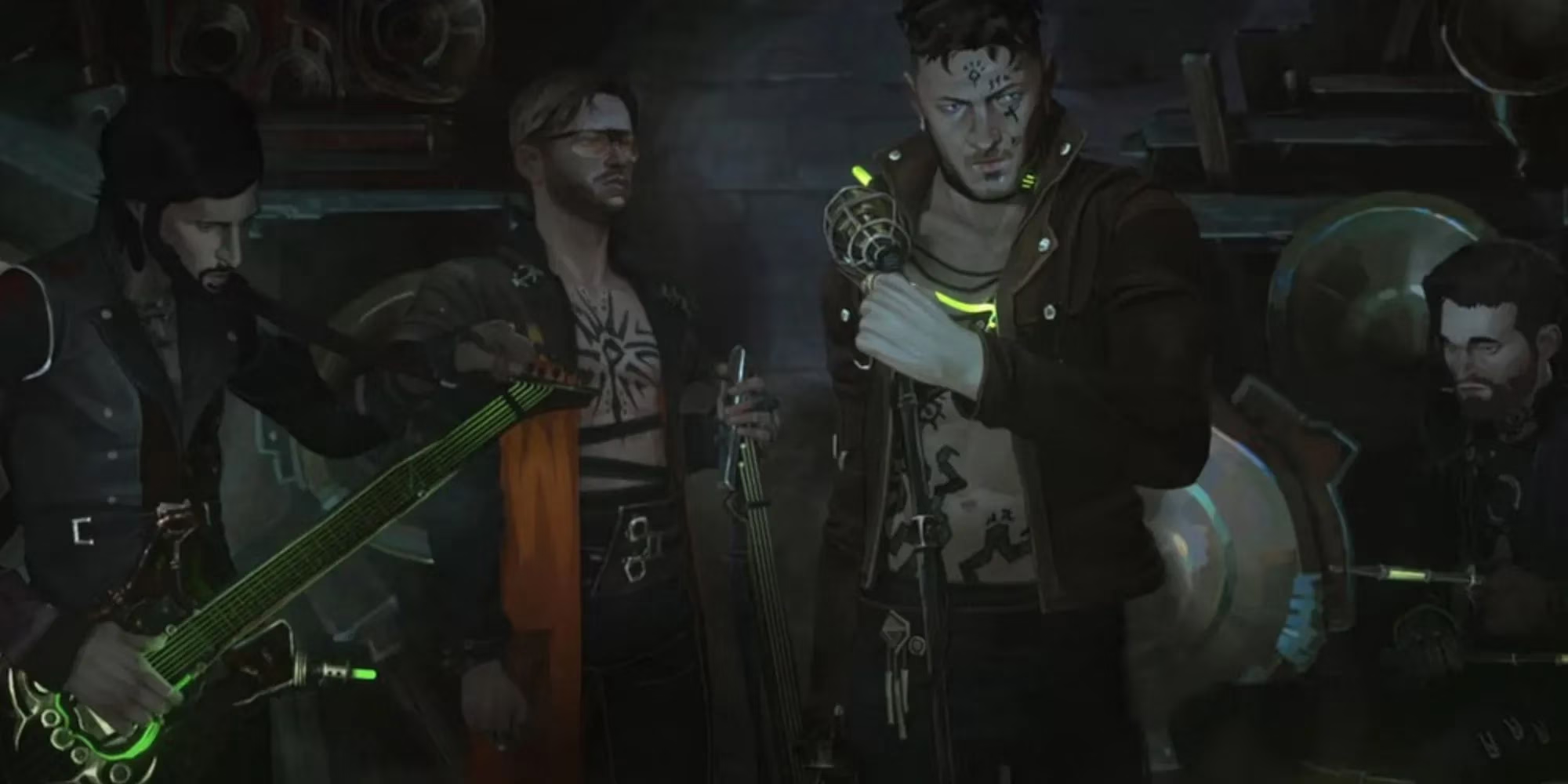
Riot already knew how to put characters in music videos. K/DA, Pentakill, and Imagine Dragons collaborations all exist. In Arcane, that expertise makes big moments hit harder. Honestly, some musical sequences feel like the highest-quality AMVs possible. For anyone who missed the late '90s and early 2000s, AMVs were fan-made videos that matched anime moments with favorite songs. Arcane basically perfected that energy with a real budget. That same musical instinct is useful for Project L, now known as 2XKO, because fighting games and killer music go hand in hand.
What Arcane Changed for Game Adaptations 📊
| What It Does | Why It Works |
|---|---|
| Staggered release | Keeps weekly conversation alive |
| Painterly art style | Signals not anime, not kids |
| 2D effects on 3D models | Creates a unique visual fingerprint |
| League references | Rewards fans and saves exposition |
| Lore twists | Surprises even veteran players |
| Music moments | Turns scenes into AMVs with budget |
In 2026, Arcane is still the bar. It proved that a video game adaptation does not have to be a cheap cash-in. It can be art. It can be a hit. It can make people who never touched League of Legends care about Vi, Jinx, and the broken city of Piltover and Zaun. If you somehow missed it, fix that. League of Legends is available on PC, and Arcane is available to watch on Netflix. I just hope the next game adaptation studies Arcane instead of copying its surface. The magic was never just the animation. It was the confidence.