The support role in League of Legends often gets overlooked, but any seasoned player knows the truth: a team without a sharp support is like a ship without a rudder. In 2026, as the meta continues to evolve, the fundamentals of the support position remain the beating heart of every successful bot lane. Ever wondered why that Janna always seems to be in the right place at the right time? Or how a Leona can single-handedly turn a lost fight into a triple kill? This exploration of the role will uncover exactly how supports can carry games without ever topping the damage charts.
Champion Types for Supports
 -5.jpg)
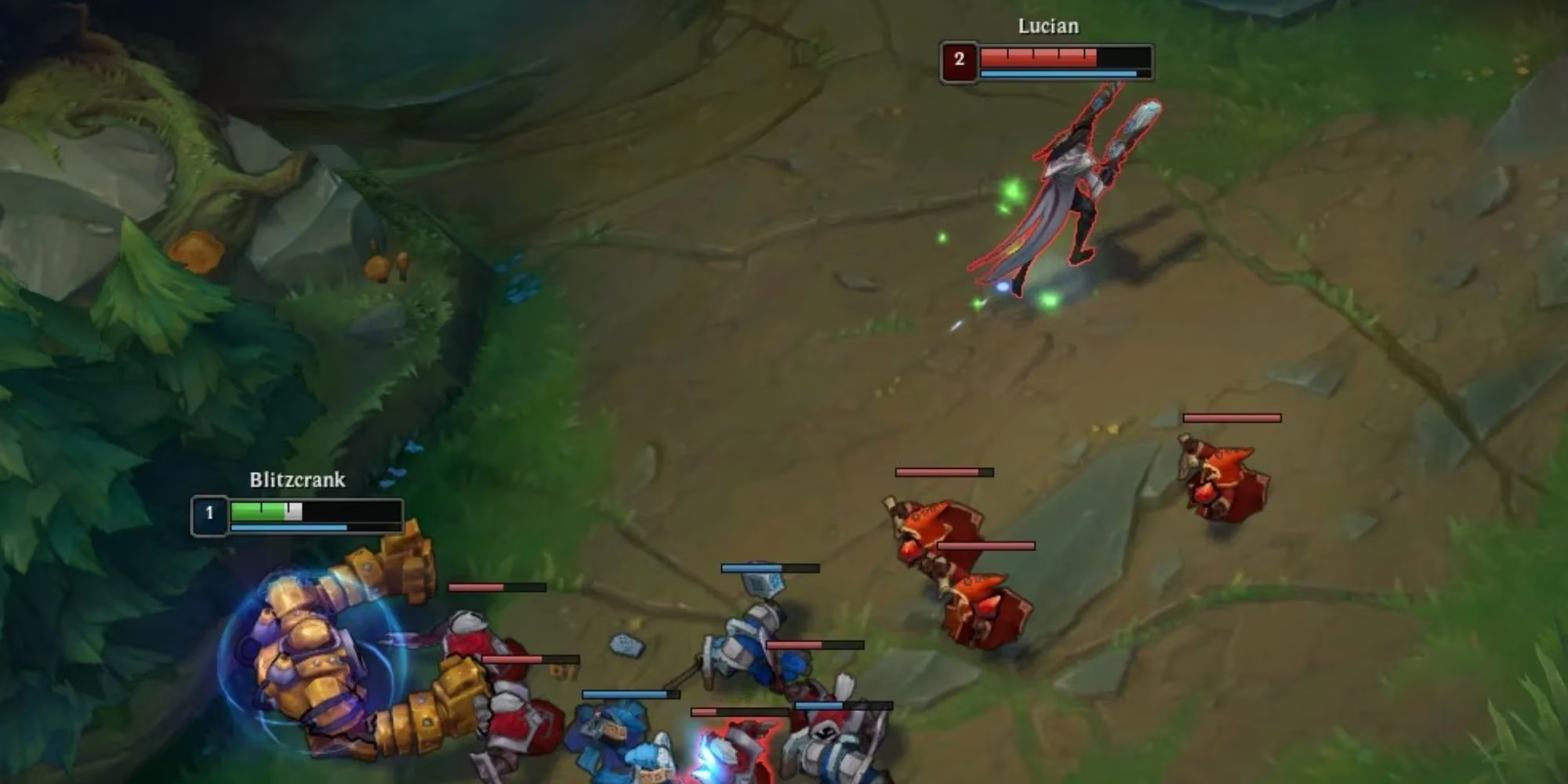
Supports are far from a monolith. Understanding the flavor of support a player picks can make or break a lane. While many champions blur the lines, six broad categories help define their identities.
| Category | Description | Examples |
|---|---|---|
| 🛡️ Tank | Frontline titans that soak damage, engage, and peel. They set the tempo with hard crowd control. | Alistar, Braum, Leona, Nautilus |
| ✨ Enchanter | Spellcasters focused on healing, shielding, and buffing allies. Squishy but game-changing when protected. | Janna, Lulu, Milio, Soraka, Yuumi |
| 🎯 Poke | Long-range harassers that chip enemies down before fights begin. Lane bullies with strong early pressure. | Karma, Seraphine, Vel'Koz, Xerath |
| 💥 Damage | High-risk, high-reward mages capable of melting squishies. Gold-starved supports must play perfectly to stay relevant. | Brand, Lux, Swain, Zyra |
| 🔧 Utility | Versatile picks that bring unique mechanics or game-altering ultimates. | Bard, Renata Glasc, Zilean |
| 🪝 Pick | Masters of isolation, armed with hooks or roots that fish for a single misstep. A single grab can win a game. | Blitzcrank, Morgana, Pyke, Thresh |
Picking a champion that matches a player's natural style is far better than forcing a meta pick they can't execute. A simple, well-played Sona often outperforms a flashy Thresh who can't land a hook.
Playing the Lane: Where Games Are Won or Lost
Trading: The Art of Winning Exchanges
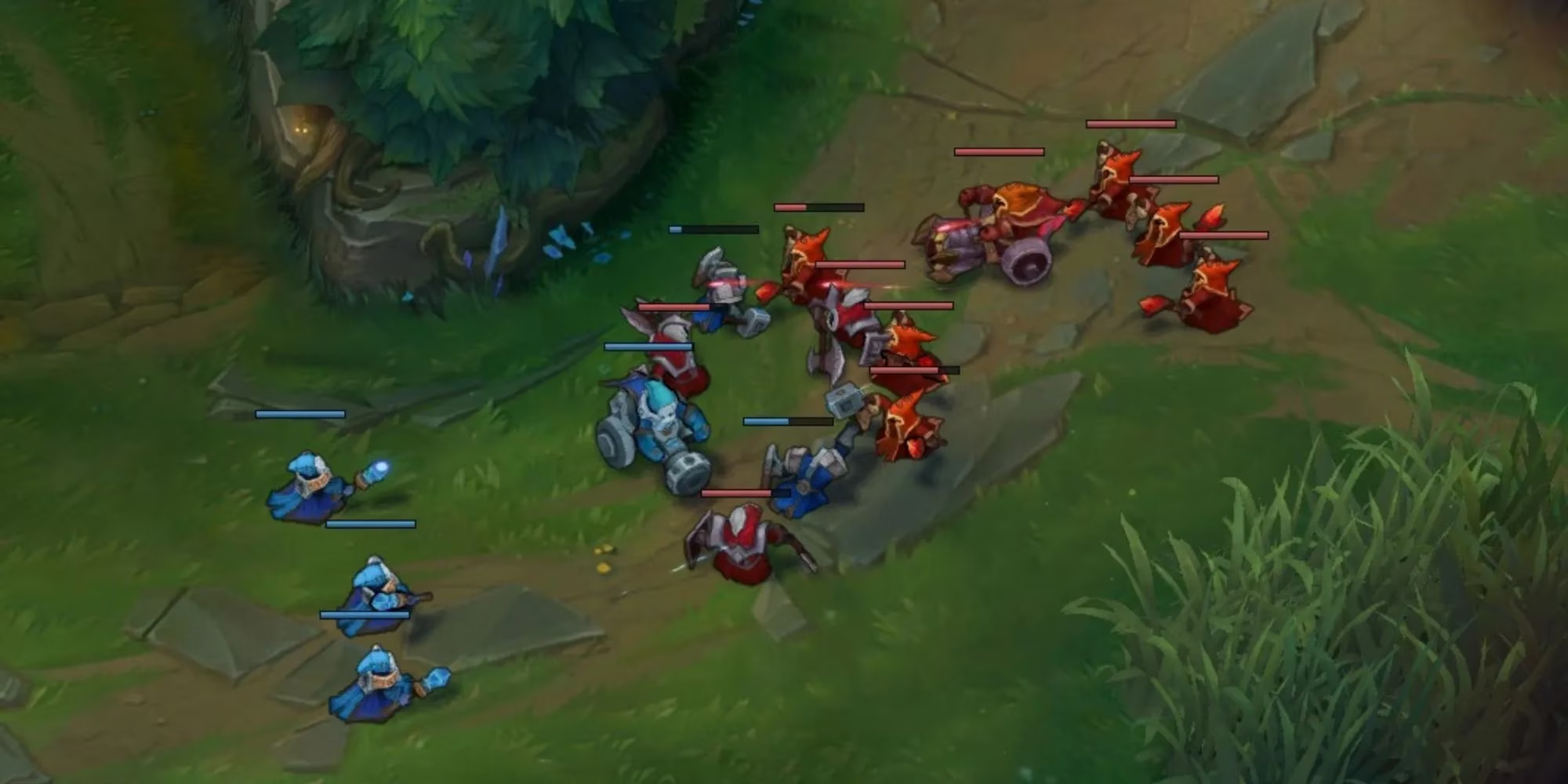
When a support steps forward to trade, one question should echo in their mind: "Am I going to deal more damage than I take?" Trading is not about mindless aggression; it's about calculated pressure. Ranged supports bully melee ones from a distance—auto attacks are free, mana-efficient harassment. But against a Blitzcrank or Leona, every inch matters. One wrong step can lead to a deadly all-in.
Supports must also read the lane state constantly. If the enemy duo is sitting on a fresh item spike like Oblivion Orb, that healing-reduction passive will gut a Soraka's sustain. Down ten kills? Trading is just a fast pass to the gray screen. Survival becomes the priority. And if the goal is simply to farm and scale, there's no shame in standing back.
Wave Manipulation: The Silent Carry Skill
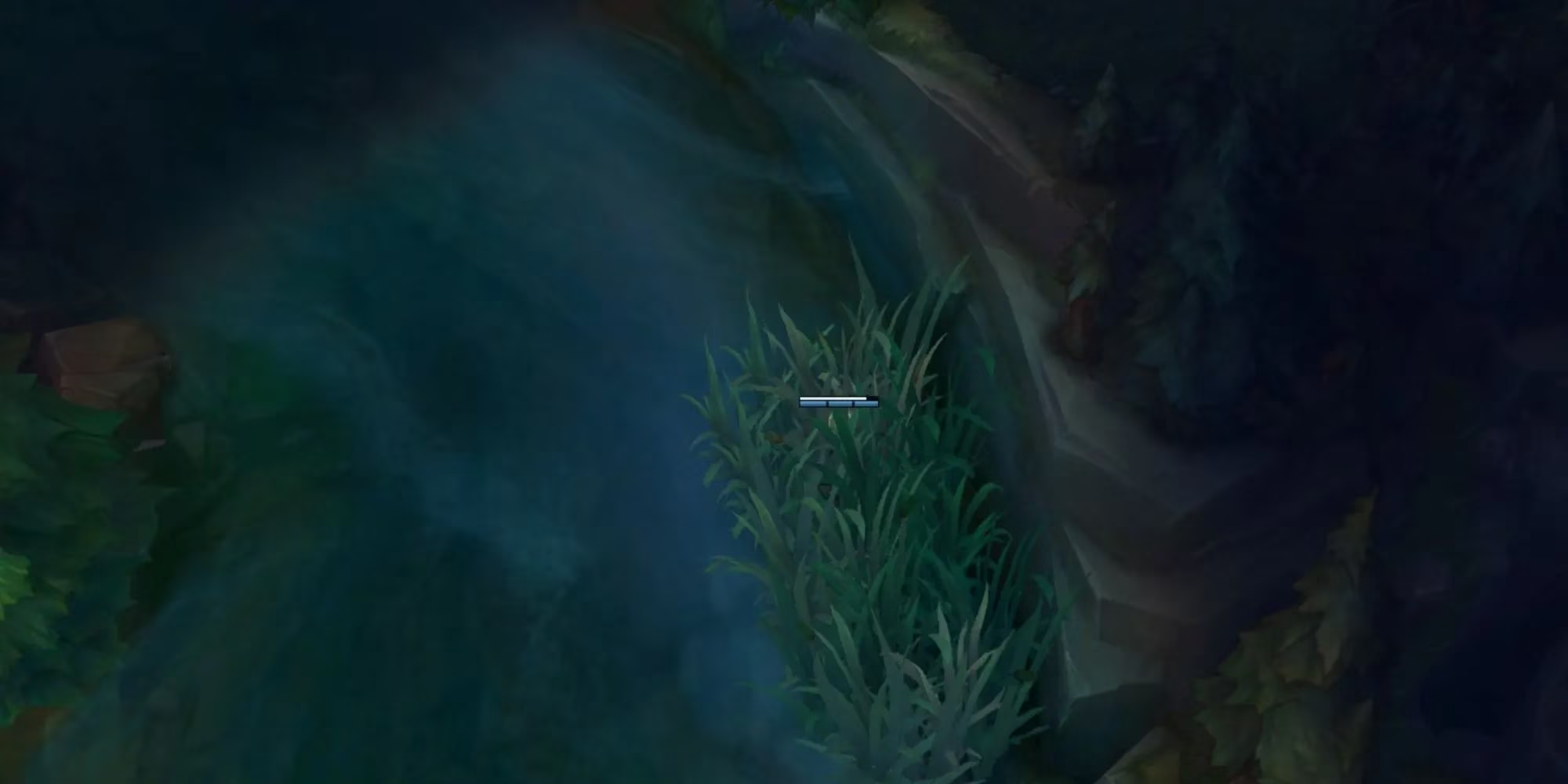
Kills are flashy, but minion control is the quiet engine that builds unassailable leads. A support who understands when to push and when to freeze can turn a losing matchup into a gold advantage.
-
Pushing is perfect before recalling, rotating to dragon, or racing to level 2. A fast push can deny the enemy a minion wave entirely.
-
Freezing keeps minions near the tower, protecting the carry and forcing the enemy to overextend. However, a frozen wave under constant poke becomes a torture chamber—know when to let it go.
-
Do nothing is often the right call. If the lane is even and safe, let the ADC last-hit in peace. Every unnecessary auto attack on the wave can break a delicate equilibrium.
Ranged minions die in two tower shots, melee in three. Supports with a Relic Shield or Steel Shoulderguards should watch their execution thresholds and feed gold to their partner. The execution passive is a tiny gold piñata that no support should ignore.
Early Warding: Eyes on the Jungle
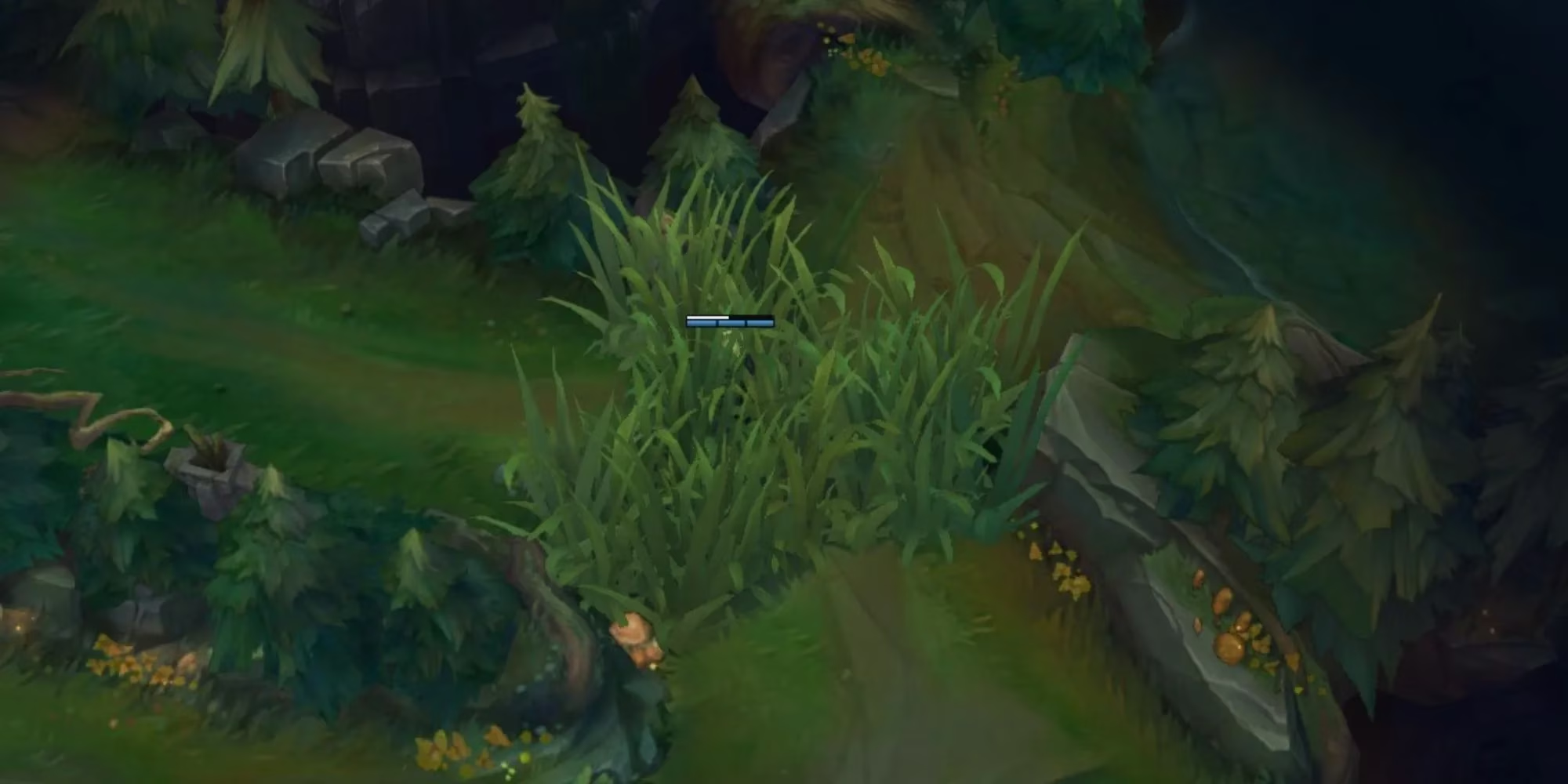
Before the first cannon minion marches down the lane, warding shapes the early game. Popular spots include:
| Ward Position | Why It Matters |
|---|---|
| 🟢 Bot Side Tri Bush | A defensive Control Ward here spots jungle invasions and river ganks. On blue side it covers your own jungle; on red side, expect it to be contested constantly. |
| 🔵 Bot Side River Bush | Quick vision at the river mouth. Close to the lane, so it sometimes doesn't give enough time to run, but it's better than darkness. |
| 🔘 Lane Bushes | Control of these three bushes denies enemy Support Shenanigans. A Control Ward in one can set up a stealthy jungle gank lane path. Clear or respect it. |
A ward is only as good as the response it triggers. If the map shows the jungler top, aggression is safer. If they vanished toward bot, play like a hermit crab.
Controlling Vision Across the Map
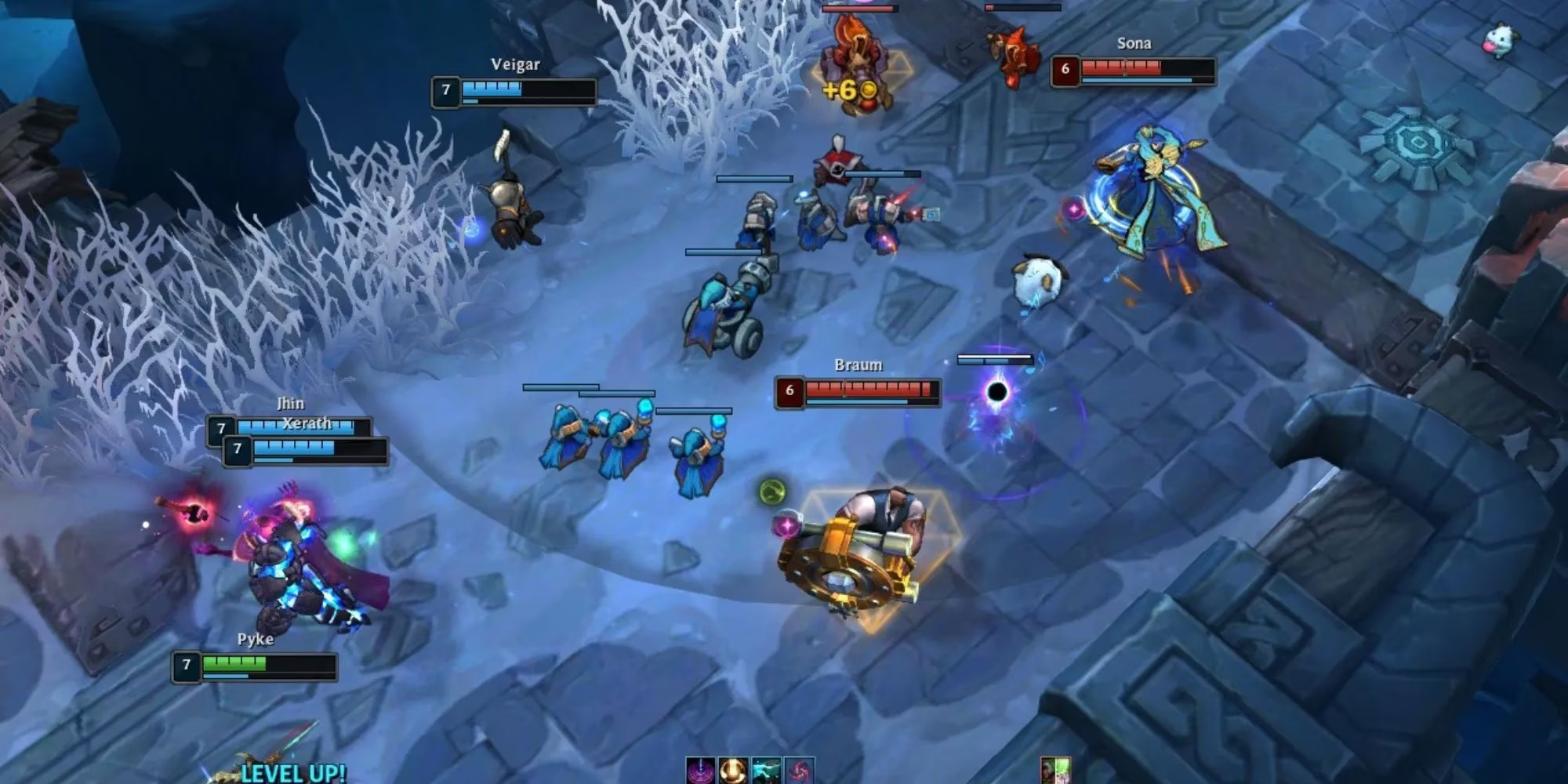
Once the outer turrets fall, the support's vision kingdom expands to the entire Rift. The upgraded support item grants three Stealth Wards at a time, and Oracle Lens becomes the trusty sidekick. A support should never be afraid to leave their carry to farm alone while they light up the map.
Dragon and Baron pits are the twin citadels of objective vision. A Control Ward inside the pit turns it into a fortress, while Stealth Wards in nearby bushes smoke out hungry enemies. Timing is everything: set up at least a minute before the spawn. Dragons respawn every five minutes after the first one at five minutes; Baron spawns at twenty minutes with a seven-minute cooldown. Whoever owns the vision owns the fight.
When no objective is imminent, keep a steady stream of wards in jungle entrances and mid lane bushes. Run Oracle Lens frequently to sweep enemy vision—each ward cleared is gold denied to the opponent and a safety net woven for your team.
How Supports Should Approach Teamfights
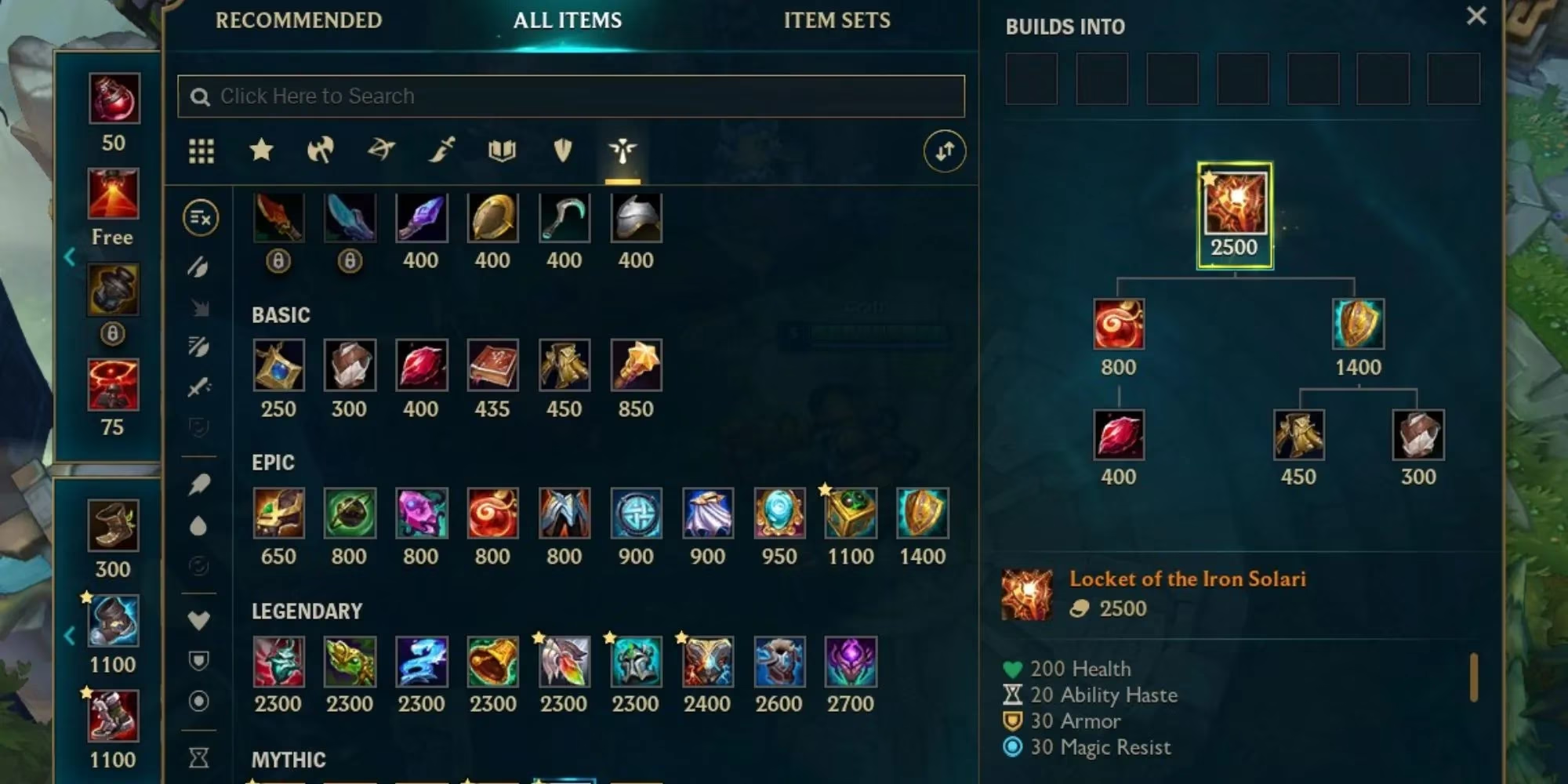
Teamfight duties shift dramatically based on champion type. Enchanters live far in the backline, shielding and healing carries with pixel-perfect timing. Tanks hurl themselves into the enemy team, dishing out crowd control while soaking enough damage to make a mountain jealous.
But there's a universal truth: a support's death matters less than a carry's. It's not a license to sprint into the enemy fountain, but it does mean the support should boldly sacrifice themselves if it saves the mid laner or ADC. That game-winning engage where Leona lands a five-man Solar Flare and dies? Worth it. The Sona who flashes in to ult and peel? A hero. Damage-oriented supports must flip this script—Brand or Lux are essentially secondary carries, and staying alive to pump out damage becomes paramount.
This simple hierarchy of values turns chaotic brawls into calculated trades.
The Support’s Economy: Gold, Items, and Warding Income
Supports are the financial outcasts of Summoner's Rift. They don't farm minions or take jungle camps when gold-hungrier allies are near. Instead, they feed on their support item—Spellthief's Edge for poke enthusiasts, Relic Shield or Steel Shoulderguards for melee execution. Maximizing that item's gold generation early is non-negotiable.
Once the item upgrades, passive income dries up, making ward clearing a surprisingly lucrative side hustle:
-
10 gold per basic Totem Ward destroyed.
-
30 gold per Stealth Ward (from upgraded support items).
-
30 gold per Control Ward.
-
15 gold per Farsight Ward.
Sweeping with Oracle Lens isn't just vision denial—it's a part-time job.
Itemization follows a simple rule: amplify what the champion does best. Tanks grab Locket or Knight's Vow to shield allies; enchanters stack heal/shield power items like Moonstone Renewer or Ardent Censer. Mikael's Blessing remains a lifesaver against heavy crowd control. Even in 2026, cheap, high-impact items define the support economy, proving that a modest budget can still buy game-winning power.